
#hyper-v
105 artigos, mais recentes primeiro.
Check kernel changes after a Linux guest update Plan backup coverage for a Hyper-V workload Investigate an assessment with incomplete server data Create a repeatable Ubuntu guest configuration Review integration-service health across a Hyper-V host 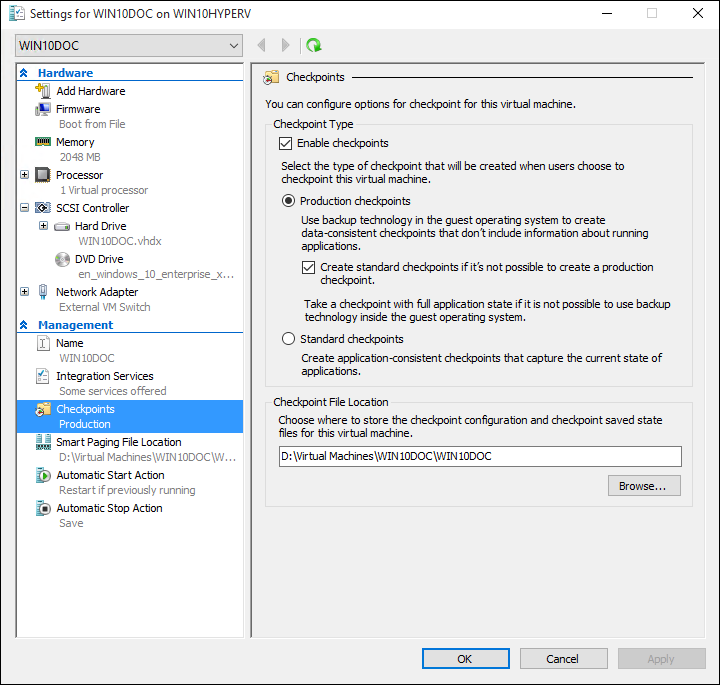 Understand checkpoints for a Linux application Investigate a virtual switch after a host network change Review Linux guest shutdown during host maintenance Use PowerShell Direct for Windows guest administration Plan Linux guest backup around application consistency
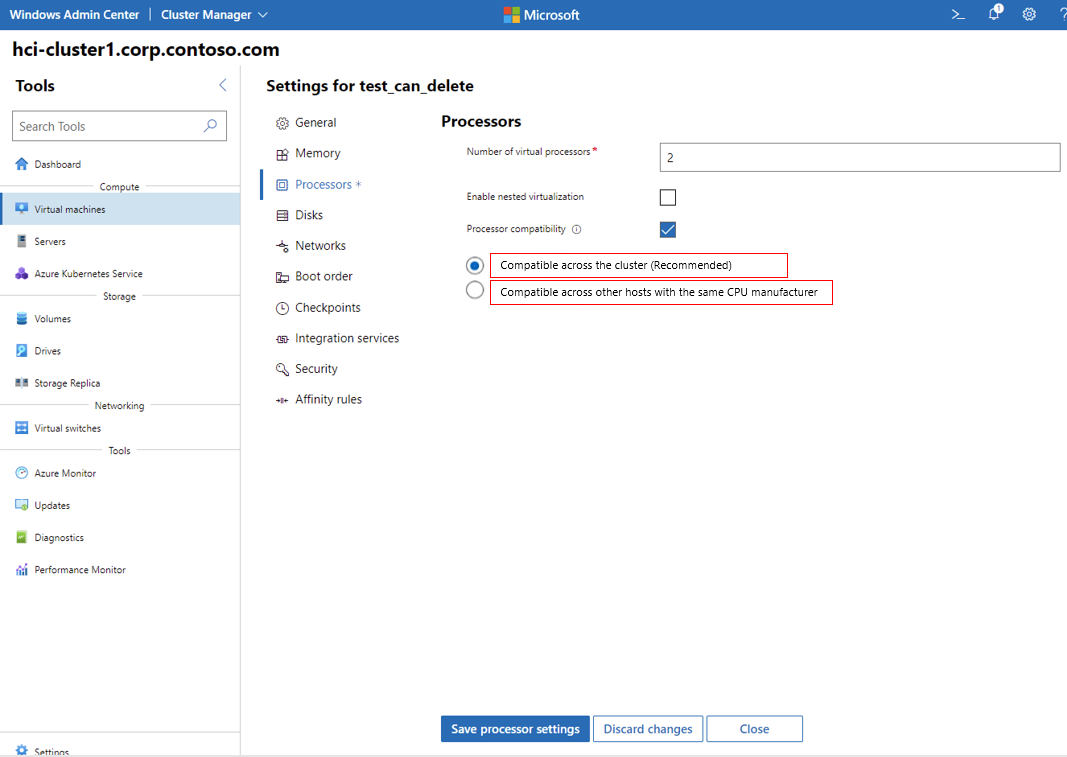 Review CPU compatibility before moving a VM Investigate slow disk access in a Linux VM
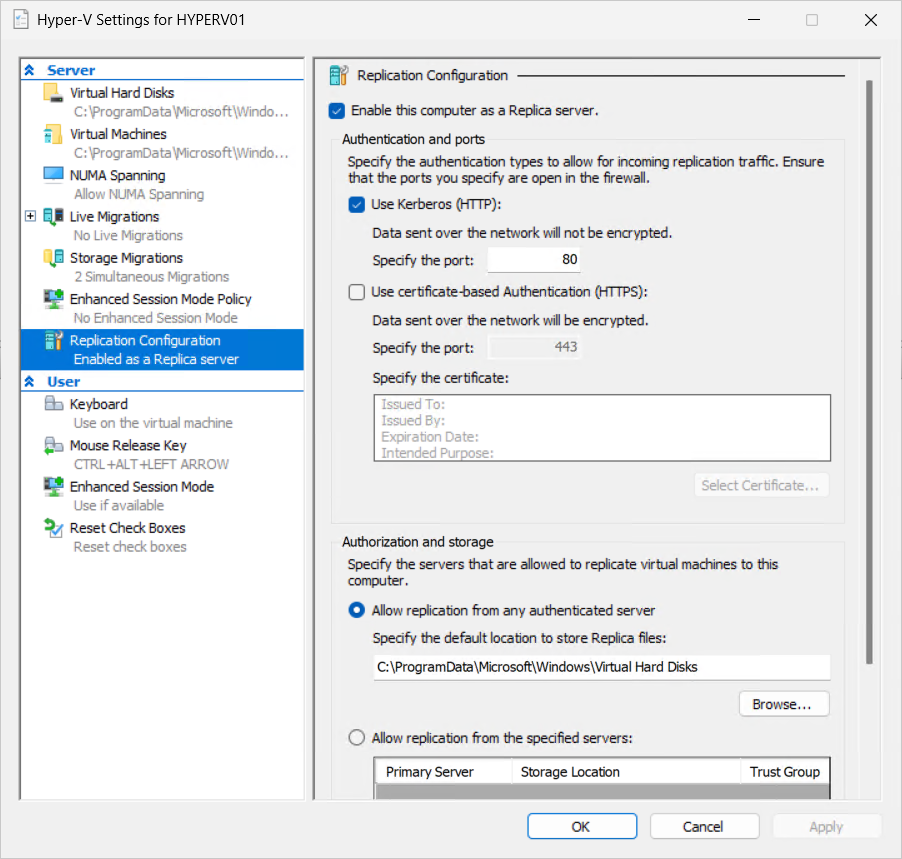 Configure Hyper-V Replica for a defined recovery scenario Check storage and network drivers in a Linux guest Plan host storage for Hyper-V virtual machines Choose a supported Linux distribution for Hyper-V Investigate a checkpoint chain before deleting files Use SSH for routine Linux guest administration Export and import a Hyper-V virtual machine Plan rollback before a server migration Investigate a Linux guest that enters an emergency shell Use production checkpoints with a clear recovery purpose Expand a Linux guest disk and verify the file system Choose VHDX settings around capacity and performance needs Understand Cluster Shared Volumes in a Hyper-V design Plan memory allocation for Linux on Hyper-V Investigate a VM that cannot boot from installation media Check time synchronisation in a Linux VM Configure a virtual network adapter and VLAN Investigate a Linux guest with a missing network adapter Choose fixed or dynamic memory for a VM Configure networking inside an Ubuntu Hyper-V guest Build a repeatable virtual machine with PowerShell Understand Linux integration services on Hyper-V Create and verify a Hyper-V virtual switch Configure Secure Boot for a supported Linux guest Choose generation 1 or generation 2 for a Hyper-V VM Create an Ubuntu 22.04 LTS virtual machine on Hyper-V Install Hyper-V on a Windows Server 2022 host Implementing Azure Site Recovery – Part 2 – For Hyper-V Virtual Machines in SCVMM Clouds Implementing Azure Site Recovery – Part 1 – For Hyper-V Virtual Machines Azure Site Recovery Planning Considerations – Part 3 – For Hyper-V Virtual Machines in SCVMM clouds Azure Site Recovery Planning Considerations – Part 2 – For Hyper-V Virtual Machines Virtual Machines: Hyper-V vs Azure IaaS How to move your workloads to Azure Azure Site Recovery Virtual Machines High Availability on Azure Hyper-V 2012 Hotfixes: Where I can find it and how to automate the deployment? SCOM Alert: WinRM is not functional or not the right version Virtualizing Your Data Center with Hyper-V and System Center iSCSI connection issues with Hyper-V Server Cluster Shared Volumes (CSV) errors on Hyper-V Cluster Updates on Hyper-V Server? How to see what had been installed? Integration between Hyper-V Network Virtualization and Windows Server Gateway MPIO on Hyper-V Server Hyper-V Best Practices Analyzer How to delegate access in Hyper-V Performing daily task with PowerShell to manage Hyper-V Server Managing Hyper-V Server remotely through PowerShell Backing up Hyper-V and virtual machines using Windows Server Backup Restoring Hyper-V and Virtual Machines using Windows Server Backup Enabling and disabling the graphical interface in Hyper-V Server Core Managing a Hyper-V Server Core installation using sconfig Installing and running Hyper-V 2012 R2 from a USB stick
 Configuring constrained delegation to authenticate live migrations Windows Server 2012 R2 Hyper-V vs VMware vSphere 5.5 Storage QoS on VMs in Hyper-V 2012 R2
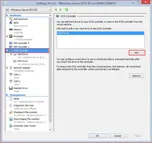 Configuring a Shared Virtual Hard Disk Automatic Virtual Machine Activation on Windows Server 2012 R2 Resizing a virtual hard disk with Windows Server 2012 R2 Enhanced Session Mode on Hyper-V 2012 R2 Generation 2 Virtual Machine Overview Overview of Networking with Windows Server 2012 R2 Overview of Storage with Windows Server 2012 R2
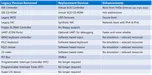 What’s New in Windows Server 2012 R2 – Hyper-V
 Capacity Planner for Hyper-V Replica
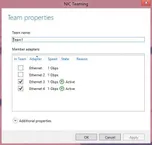 Modifying a NIC Team through GUI and PowerShell
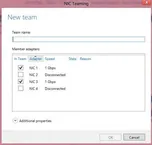 Creating a NIC teaming Windows Server 2012 NIC Teaming tools for troubleshooting
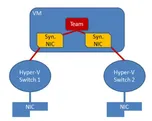 NIC teaming on Virtual Machines
 Management Tasks for Hyper-V Replica Troubleshooting Hyper-V Replica
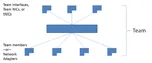 Overview of NIC Teaming (LBFO) in Windows Server 2012
 General Methodology for Troubleshooting Hyper-V Replica
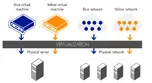 VLANs with Hyper-V Network Virtualization
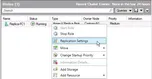 Hyper-V Failover Cluster as a Primary or Replica Server
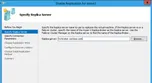 Enabling a Virtual Machine for Replication
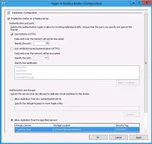 Configuring and Managing Hyper-V Replica
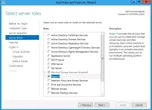 Installation Process of Hyper-V Replica
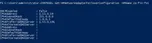 Hyper-V Replica PowerShell CMDLETS
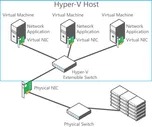 Multitenant security and isolation with Hyper 2012
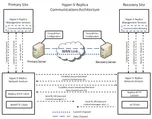 Hyper-V Replica Communications Architecture
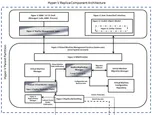 Hyper-V Replica Component Architecture
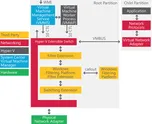 Extending the Hyper-V Extensible Switch Enabling the Firewall rules in the Hyper-V Replica Server Implementing Self-signed Certificates in Hyper-V Replica
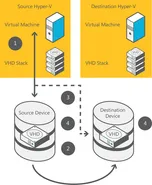 “Share nothing” Live Migration with Hyper-V 2012 Free, simple, standalone tool to migrate vms from a VMware environment to Hyper-V in Windows Server 2012
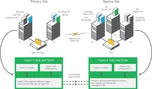 Hyper-V Replica
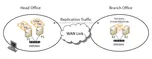 Enabling Hyper-V Replica
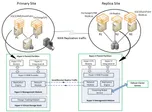 Technical Overview of Hyper-V Replica
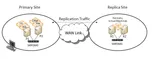 What Is Hyper-V Replica?
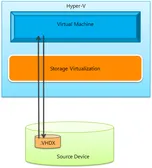 How does a storage migration of a running virtual machine in Windows Server 2012 (both through Hyper-V manager and through PowerShell) actually work? What is the ‘Replication State’ and what are the values?
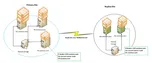 Why is the "Hyper-V Replica Broker" required?
 Understand checkpoints for a Linux application Investigate a virtual switch after a host network change Review Linux guest shutdown during host maintenance Use PowerShell Direct for Windows guest administration Plan Linux guest backup around application consistency Review CPU compatibility before moving a VM Investigate slow disk access in a Linux VM Configure Hyper-V Replica for a defined recovery scenario Check storage and network drivers in a Linux guest Plan host storage for Hyper-V virtual machines Choose a supported Linux distribution for Hyper-V Investigate a checkpoint chain before deleting files Use SSH for routine Linux guest administration Export and import a Hyper-V virtual machine Plan rollback before a server migration Investigate a Linux guest that enters an emergency shell Use production checkpoints with a clear recovery purpose Expand a Linux guest disk and verify the file system Choose VHDX settings around capacity and performance needs Understand Cluster Shared Volumes in a Hyper-V design Plan memory allocation for Linux on Hyper-V Investigate a VM that cannot boot from installation media Check time synchronisation in a Linux VM Configure a virtual network adapter and VLAN Investigate a Linux guest with a missing network adapter Choose fixed or dynamic memory for a VM Configure networking inside an Ubuntu Hyper-V guest Build a repeatable virtual machine with PowerShell Understand Linux integration services on Hyper-V Create and verify a Hyper-V virtual switch Configure Secure Boot for a supported Linux guest Choose generation 1 or generation 2 for a Hyper-V VM Create an Ubuntu 22.04 LTS virtual machine on Hyper-V Install Hyper-V on a Windows Server 2022 host Implementing Azure Site Recovery – Part 2 – For Hyper-V Virtual Machines in SCVMM Clouds Implementing Azure Site Recovery – Part 1 – For Hyper-V Virtual Machines Azure Site Recovery Planning Considerations – Part 3 – For Hyper-V Virtual Machines in SCVMM clouds Azure Site Recovery Planning Considerations – Part 2 – For Hyper-V Virtual Machines Virtual Machines: Hyper-V vs Azure IaaS How to move your workloads to Azure Azure Site Recovery Virtual Machines High Availability on Azure Hyper-V 2012 Hotfixes: Where I can find it and how to automate the deployment? SCOM Alert: WinRM is not functional or not the right version Virtualizing Your Data Center with Hyper-V and System Center iSCSI connection issues with Hyper-V Server Cluster Shared Volumes (CSV) errors on Hyper-V Cluster Updates on Hyper-V Server? How to see what had been installed? Integration between Hyper-V Network Virtualization and Windows Server Gateway MPIO on Hyper-V Server Hyper-V Best Practices Analyzer How to delegate access in Hyper-V Performing daily task with PowerShell to manage Hyper-V Server Managing Hyper-V Server remotely through PowerShell Backing up Hyper-V and virtual machines using Windows Server Backup Restoring Hyper-V and Virtual Machines using Windows Server Backup Enabling and disabling the graphical interface in Hyper-V Server Core Managing a Hyper-V Server Core installation using sconfig Installing and running Hyper-V 2012 R2 from a USB stick Configuring constrained delegation to authenticate live migrations Windows Server 2012 R2 Hyper-V vs VMware vSphere 5.5 Storage QoS on VMs in Hyper-V 2012 R2 Configuring a Shared Virtual Hard Disk Automatic Virtual Machine Activation on Windows Server 2012 R2 Resizing a virtual hard disk with Windows Server 2012 R2 Enhanced Session Mode on Hyper-V 2012 R2 Generation 2 Virtual Machine Overview Overview of Networking with Windows Server 2012 R2 Overview of Storage with Windows Server 2012 R2 What’s New in Windows Server 2012 R2 – Hyper-V Capacity Planner for Hyper-V Replica Modifying a NIC Team through GUI and PowerShell Creating a NIC teaming Windows Server 2012 NIC Teaming tools for troubleshooting NIC teaming on Virtual Machines Management Tasks for Hyper-V Replica Troubleshooting Hyper-V Replica Overview of NIC Teaming (LBFO) in Windows Server 2012 General Methodology for Troubleshooting Hyper-V Replica VLANs with Hyper-V Network Virtualization Hyper-V Failover Cluster as a Primary or Replica Server Enabling a Virtual Machine for Replication Configuring and Managing Hyper-V Replica Installation Process of Hyper-V Replica Hyper-V Replica PowerShell CMDLETS Multitenant security and isolation with Hyper 2012 Hyper-V Replica Communications Architecture Hyper-V Replica Component Architecture Extending the Hyper-V Extensible Switch Enabling the Firewall rules in the Hyper-V Replica Server Implementing Self-signed Certificates in Hyper-V Replica “Share nothing” Live Migration with Hyper-V 2012 Free, simple, standalone tool to migrate vms from a VMware environment to Hyper-V in Windows Server 2012 Hyper-V Replica Enabling Hyper-V Replica Technical Overview of Hyper-V Replica What Is Hyper-V Replica? How does a storage migration of a running virtual machine in Windows Server 2012 (both through Hyper-V manager and through PowerShell) actually work? What is the ‘Replication State’ and what are the values? Why is the "Hyper-V Replica Broker" required?